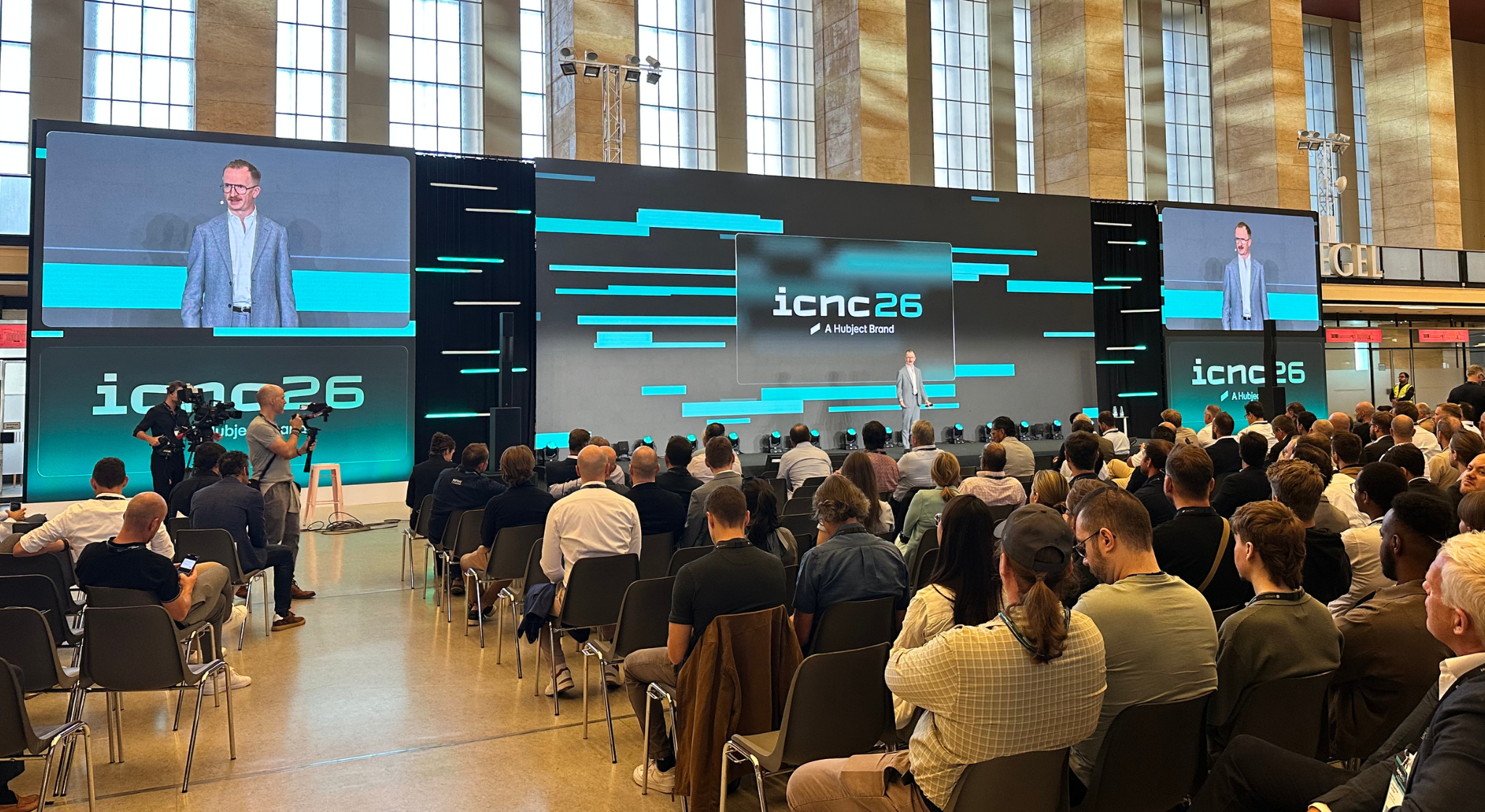
The EV charging market is scaling fast, but the real challenge is no longer simply adding more chargers.
What does it take to grow when expansion alone is no longer enough? How should operators think about grid constraints, heavy-duty charging, interoperability and the economics of every charging site?
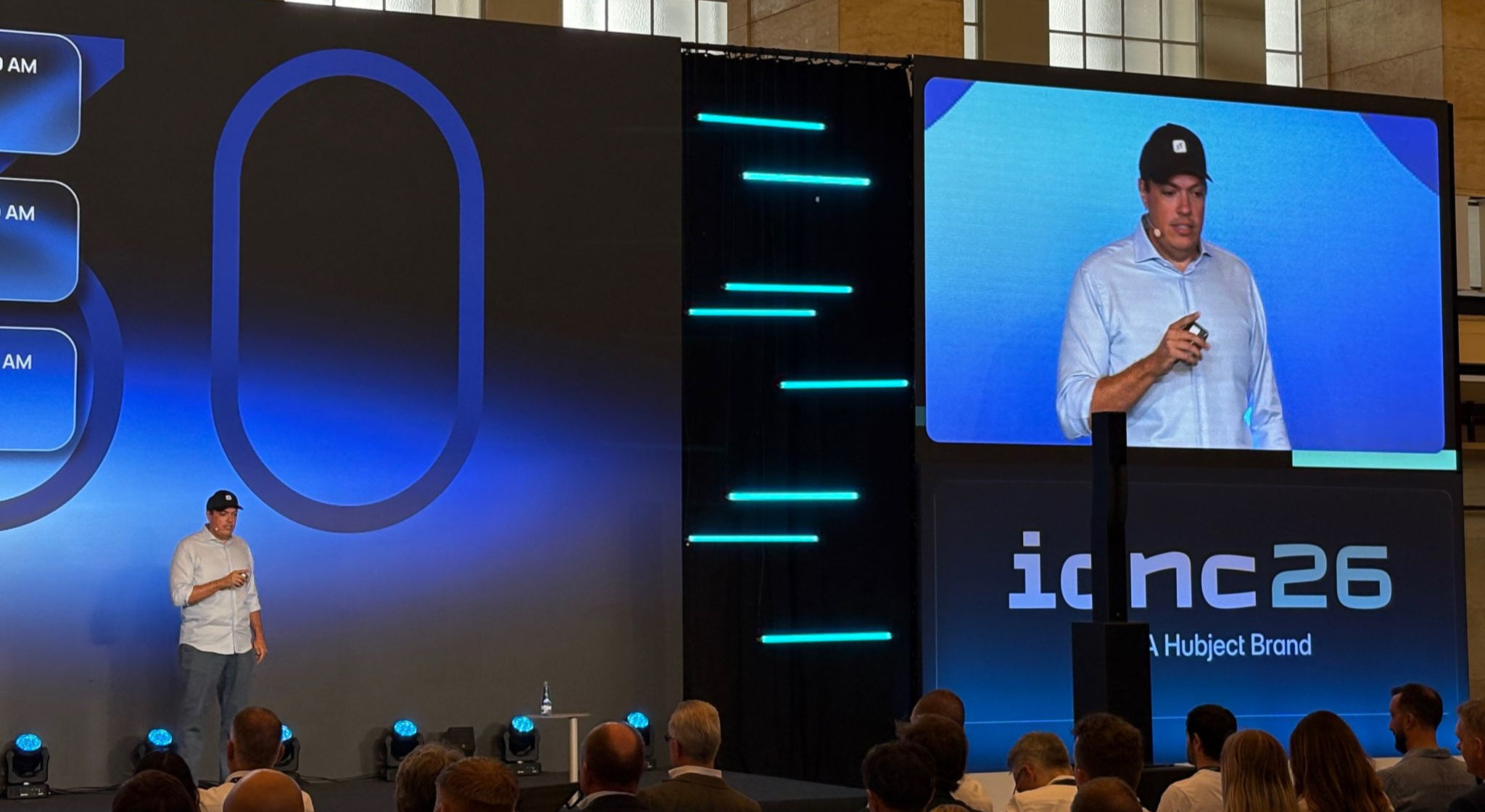
Our Head of International Sales, Tõnu Mets, joined industry leaders at ICNC26 to explore exactly these questions.
We’ve gathered his key takeaways on what the next phase of electric mobility means for operators, fleets and the software platforms supporting them.
One of the clearest messages from ICNC26 was that the eMobility market is entering a more selective phase. As Orlin Radev, CEO of AMPECO, put it in his keynote, “Get Big, Get Niche or Get Out,” generic one-size-fits-all strategies are becoming harder to sustain.
For operators, this means the middle ground is narrowing.
The strongest positions are increasingly built either through significant scale or through deep specialization in areas such as heavy-duty fleets, hospitality charging or depot logistics.
In other words, growth still matters, but so do a clear operational advantage and a hard-to-replicate business model.
The way charging businesses are valued is changing. Steven E. Janßen from Strategy& / PwC highlighted that investors are looking beyond the number of installed charge points.
Metrics such as uptime, utilisation, energy throughput, secured grid capacity, and recurring software revenue are increasingly important indicators of long-term value.
The takeaway? More chargers do not automatically mean a stronger charging business.
The focus is shifting toward how efficiently those assets are operated, how well they are utilised, and how much value the software layer can create around them.
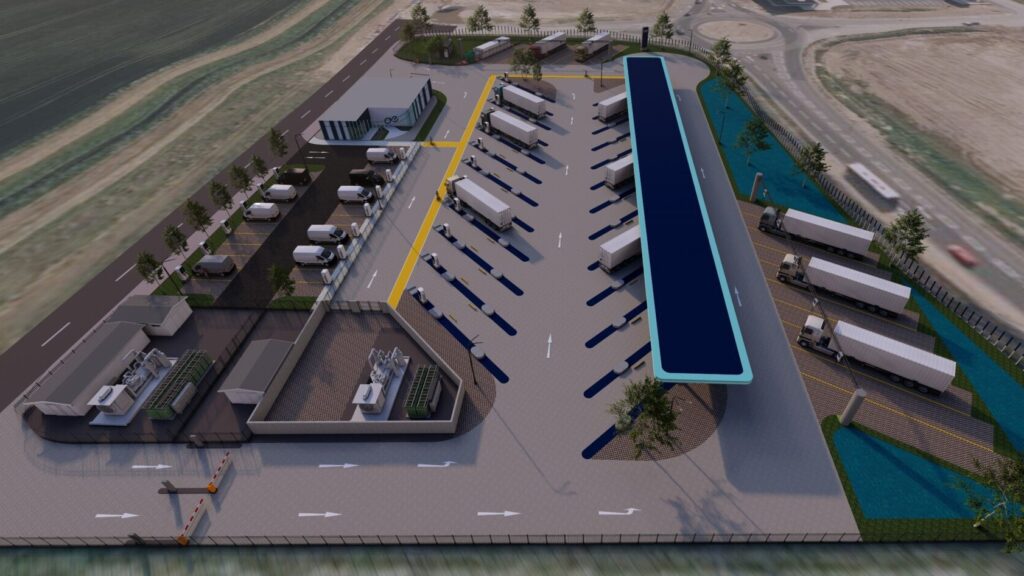
Heavy-duty electrification is accelerating, with the EU electric truck market growing by more than 47% year over year. But scaling truck charging brings a very different set of challenges than passenger EVs—especially around grid capacity, downtime, and route predictability.
Dedicated corridors and en-route hubs:
High-power charging networks along TEN-T (Trans-European Transport Network) corridors are becoming essential for long-haul transport. Operators such as Milence, GRIDSERVE and Atlante are combining megawatt-scale charging with locations designed specifically around the needs of truck drivers and fleet operations.
Semi-public depot sharing:
Private depots are often underused at certain times of day. As Kasper Thybo from Spirii highlighted through the Spirii x Daimler Truck TruckCharge initiative, opening this capacity to trusted third-party fleets can create an additional revenue stream for depot owners while helping smaller fleets access reliable charging infrastructure.
Pre-bookable charging slots:
For commercial fleets, waiting for a charger isn’t just inconvenient—it can disrupt an entire route. Because truck operations are closely tied to regulated driving and rest periods, reserving charging capacity in advance is becoming a critical part of the charging experience.
The broader takeaway: heavy-duty charging has to be predictable by design. Power alone is not enough. Fleet operators need confidence that the right capacity will be available at the right place and the right time.
As charging hubs move into megawatt territory, traditional load management is no longer enough. The challenge isn’t simply supplying more power; it is coordinating that power intelligently across the grid, charging hardware, energy prices, and operational priorities.
Hybrid edge and cloud architecture:
Cloud systems are well suited for fleet scheduling, dynamic tariffs and energy market optimization. But when it comes to grid safety, speed matters. Critical load shedding needs to happen locally at the edge, within milliseconds, to prevent transformer overloads and costly demand peaks.
Centralized DC bus architecture:
Lorenzo Neckermann from Infypower demonstrated how shared DC infrastructure can distribute power dynamically between charging bays instead of relying on isolated charger units. It also enables more direct integration with BESS and solar PV, reducing conversion losses and potentially lowering site CapEx.
Independent orchestration layers:
Okke van ’t Verlaat, CTO of ihomer, highlighted the growing role of orchestration layers above the traditional CPMS. These systems continuously balance grid limits, departure requirements, energy prices and CPO business rules to decide where and when power should flow.
The key takeaway is that smart charging is becoming a coordination problem as much as a charging problem. As power demand grows, successful operations will depend on how well local control, cloud intelligence and the wider energy ecosystem work together.
Fleet electrification is no longer driven by sustainability targets alone. The economics are becoming increasingly difficult to ignore.
According to data presented in the EY & Eurelectric study “Fleet forward: powering the transition to electric mobility,” corporate fleets account for around 60% of all new vehicle registrations in Europe. Electrifying those fleets could unlock an estimated €246 billion in cumulative OPEX savings by 2030.
The operational case is already strengthening.
EVs can deliver 10–20% lower operating costs than internal combustion engine vehicles, largely thanks to reduced servicing needs and lower energy costs per kilometre.
The bigger challenge remains upfront investment.
Vehicle costs, grid connections and charging infrastructure can still create a significant CapEx barrier, particularly for larger fleets and depot-based operations.
That means fleet acceleration will depend on more than simply replacing vehicles.
Smart depot charging, supportive policy frameworks and standardised eRoaming will all play a critical role in making electrification commercially viable at scale.
The takeaway? The question is increasingly shifting from “Should we electrify?” to “How do we electrify in the most operationally and economically efficient way?”
The next phase of electric mobility will reward those who can operate smarter, not just grow faster. For different players in the ecosystem, that means focusing on different priorities:
For CPOs and infrastructure investors:
Look beyond charger counts. Energy throughput, utilisation, uptime and long-term grid capacity are becoming more important indicators of value.
Infrastructure choices should also support future flexibility, including BESS, solar integration and more dynamic power distribution.
For commercial fleet operators:
Move from reactive charging to proactive energy management. Smarter depot charging, pre-bookable charging slots and even semi-public depot sharing can improve predictability, reduce downtime and make better use of existing infrastructure.
For software and CSMS providers:
Build for a more complex operating environment. Local edge control is becoming increasingly important for grid safety, while cloud-based orchestration remains essential for pricing, scheduling, roaming and fleet-level optimisation. The two need to work together seamlessly.
The direction of travel is clear: EV charging is becoming more complex, more connected and more operationally demanding. Scaling successfully will require more than chargers alone.
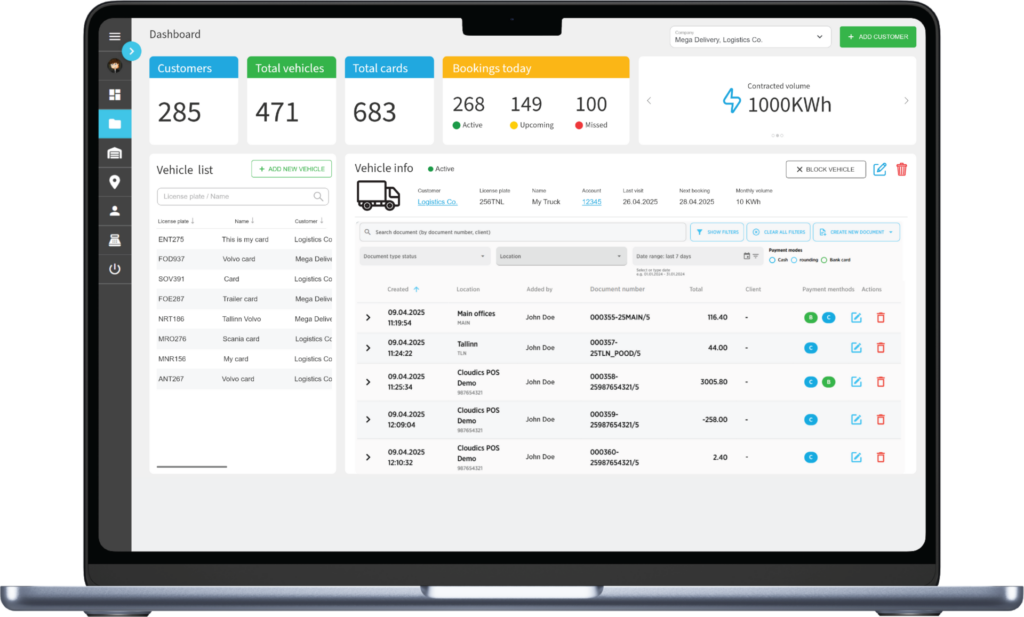
Operators need software that brings infrastructure, energy, pricing, payments, and fleet operations together.
That is exactly where Cloudics comes in.
Our platform gives operators one intelligent, integrated environment for managing charging stations, dynamic pricing, load balancing and integrations with retail, fleet and energy systems.
Whether you already operate an EV charging network or are planning your first site, the goal is the same: less complexity, more control and a charging operation that is ready to scale.
And with that, we wrap up our key takeaways from ICNC26.
Thanks to everyone behind the event and to all the industry experts who shared their perspectives. See you at ICNC27!

Tõnu Mets
Head of Business Development
+372 51 15 236
tonu.mets@cloudics.com
Cloudics
Here to Streamline Business
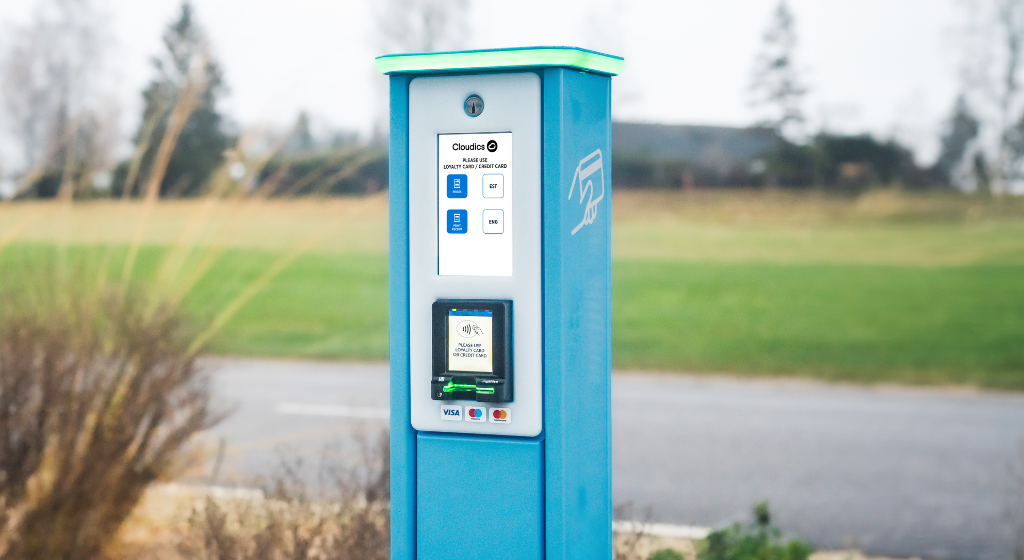
Modern service locations often offer more than one service. Customers may be able to charge an EV, refuel, park or use a car wash at the same site.
As the number of services grows, managing their payments and customer journeys becomes increasingly complex.
Cloudics Flow & Pay solves this by connecting physical payments and service control into one always-online solution.
Adding a new service traditionally means adding another isolated payment terminal.
Over time, the site becomes a fragmented collection of separate, disconnected systems. This results in more hardware to maintain, complex integrations, and a frustrating customer journey.
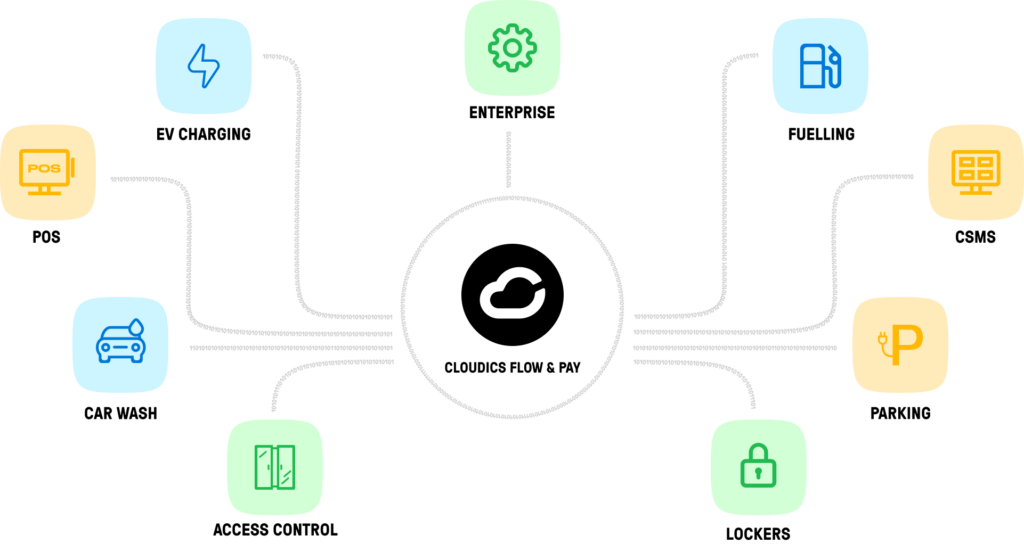
Cloudics Flow & Pay brings multiple services into one shared payment point. Customers can select and pay for EV charging, fuelling, parking, car wash, access, lockers and other unattended services.
This reduces the need to build a separate payment journey for every service.
Applications and customer accounts can be useful for regular users, but they should not be the only way to access a service.
Imagine a driver who stops at the location for the first time and only wants to use one service. They want to select the charger, fuel pump or car wash and pay directly with a bank card or mobile wallet. Without the hassle of downloading an app, creating an account or entering payment details before being able to continue.
A returning customer, on the other hand, uses a mobile app or loyalty account. Their preferred payment method is already saved, and they can receive personalised prices, loyalty benefits or relevant offers during the transaction.
Another example is a company driver, who identifies themselves with a fleet card or business account. The payment is linked to the company’s agreed pricing and reporting process, making it easier to centrally manage transactions and invoices.
Cloudics Flow & Pay allows all of these journeys to operate side by side, so each customer can use the payment method that best fits their situation – whether it’s an app, a personal or business account, or paying directly with Visa, Mastercard, Apple Pay, or Google Pay.
The need for straightforward payments is particularly apparent in public EV charging.
Drivers should be able to select a connector, understand the price and begin charging without registering or entering into a subscription. AFIR payment requirements have made this an important consideration when operators install or upgrade public chargers.
One approach is to add a separate payment terminal to every charger. At a larger charging hub, however, this also increases the amount of hardware that needs to be installed, connected and maintained.
Cloudics Flow & Pay allows several chargers or connectors to be managed from one shared payment point. The same terminal can also support parking, car washing or other services at the location instead of being reserved for EV charging alone.
A large multi-energy hub and a smaller unattended service point do not have the same requirements. Cloudics Flow & Pay is therefore available in three main configurations.
eOPT Pro includes a touchscreen for locations with several services or more detailed customer journeys.
eOPT Lite provides a more compact option for simpler environments with only a minimalistic payment terminal screen.
Standalone Flow & Pay runs directly on compatible payment terminal hardware and can be integrated into an existing structure, device or service environment.
The hardware can be selected based on the location instead of forcing every site into the same setup.
Introducing a new payment experience can become expensive if it requires operators to replace infrastructure that is still working.
Cloudics Flow & Pay connects the payment with the system delivering the service. Depending on the project, it can be integrated with EV charging management systems, fuel dispensers, forecourt systems, parking platforms, car wash equipment, access control and loyalty solutions.
This makes it possible to improve the customer journey while continuing to use suitable existing equipment and backend solutions.
The solution can also work as part of the wider Cloudics platform alongside the Cloudics Forecourt Controller, POS, self-checkout, and mobile application.
Many charging hubs, parking facilities, car washes and other service points operate without permanent staff.
When something changes, such as a price, service option or payment flow, updating every location separately takes time. Operators also need visibility into what is happening at sites they cannot constantly supervise in person.
Because Cloudics Flow & Pay is cloud-based, services and customer journeys can be managed centrally. Operators can update settings, manage services and monitor transactions across multiple locations without relying entirely on separate local systems.
Customers receive their receipts through a QR code or by email, removing the need to maintain receipt printers at unattended sites.
Consolidating your site’s payment architecture under Cloudics Flow & Pay delivers major financial and operational advantages over fragmented, vendor-specific solutions.
This unified, cloud-managed infrastructure directly reduces expenses across three critical areas.
Lower
CAPEX
Instead of buying separate payment terminals for every individual EV charger, pump, or car wash bay, operators can route multiple services through
a single shared payment point. This drastically minimises the upfront hardware investment required to build or upgrade a location.
Reduced operational and maintenance costs
Fewer physical terminals mean fewer hardware components prone to failure, lowering ongoing maintenance costs. Additionally, by replacing physical paper receipts with digital alternatives via QR codes or email, operators eliminate recurring paper expenses and printer-related mechanical downtime at unattended sites.
Simplified integration management
Managing multiple disjointed payment flows and vendor integrations creates administrative friction. Cloudics Flow & Pay provides a single connected environment that handles transactions centrally. This reduces the time and resources spent managing siloed local systems, allowing your business to expand efficiently as new services are introduced.
The main challenge is not simply accepting a card payment. It is connecting the payment with the correct service while keeping the process understandable for the customer and manageable for the operator.
Cloudics Flow & Pay provides a shared payment layer for locations where several services, devices and systems need to work together.
Instead of adding another isolated terminal each time the business develops, operators can use one connected payment environment that can expand with the location.
Contact Cloudics to find the right Flow & Pay setup for your location
info@cloudics.com
+372 628 0000
Cloudics
Here to Streamline Business

A flower wholesaler cannot wait an extra day for delivery. The product loses freshness, the customer loses value and the sale may be lost entirely. A car manufacturer using just-in-time production cannot simply wait for missing parts. If the delivery window is missed, production slows down or stops.
What looks like one delayed truck quickly becomes a much larger operational problem.Recent years have made this clear.
Brexit created border friction and delays. The Ever Given blockage in the Suez Canal disrupted shipping worldwide. COVID-19 caused labour shortages, capacity shocks, empty shelves and rising costs.
The lesson is simple: when logistics flow stops, the impact spreads fast. Electric heavy goods vehicles are now becoming part of this same conversation.
The shift is being driven by both regulation and OEM investment. In Europe, heavy-duty vehicle CO₂ targets are moving from a 15% reduction in 2025 to 45% in 2030, 65% in 2035 and 90% in 2040.
Major manufacturers such as Volvo Trucks, Daimler Truck, Scania, MAN, DAF and Renault Trucks are already building the next generation of electric truck fleets. This is good progress.
But the vehicle is only one part of the system.
Consumer EV charging already shows what can go wrong. Availability in apps is not always accurate. Chargers can be occupied, blocked, faulty or slower than expected. Different operators use different systems, and the experience depends heavily on who owns and manages the charger.
For passenger cars, that creates inconvenience.
For heavy goods vehicles, it can create supply chain failure. A truck that cannot get enough power cannot move. A truck that cannot move misses its slot.
A missed slot can affect the next route, the next warehouse, the next driver shift and the next customer promise. No power means no movement. No movement means a broken supply chain flow.
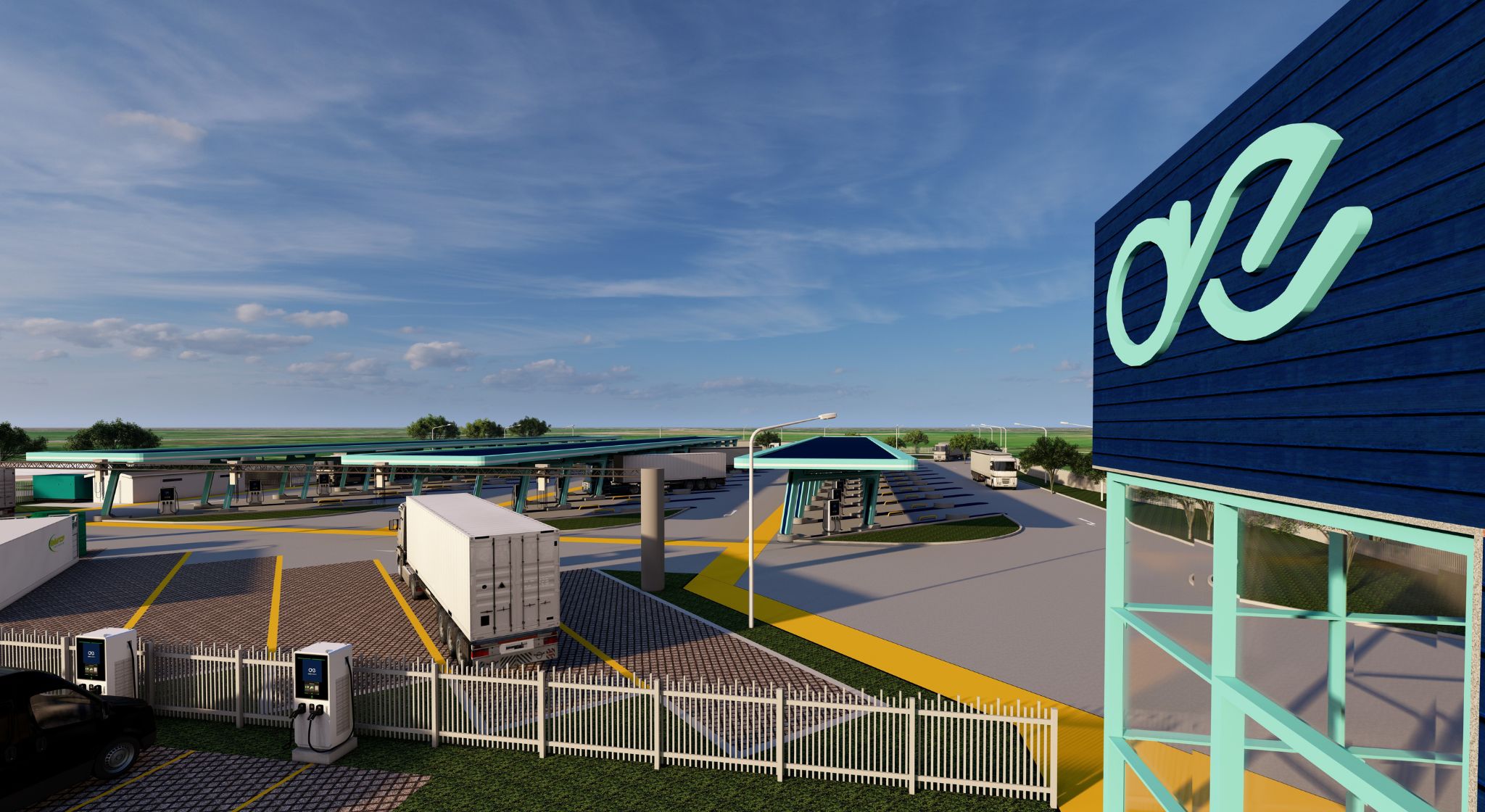
It must be planned as part of logistics operations.
The issue is not only where chargers are placed. It is also how power is allocated. Many sites do not have enough grid capacity for several high-power truck chargers. Upgrades can require new cabling, substation work, permits and long construction timelines. In some cases, the charger itself can be installed faster than the power connection behind it.
That changes the role of charging management.
In the diesel world, refuelling is usually fast and predictable. In the EV HGV world, charging must be scheduled, prioritised and monitored. Operators need to know which vehicle charges when, how much power it receives and whether it will be ready for the next movement.
The charging location becomes part of the supply chain.
Cloudics helps businesses manage this complexity by integrating parking, EV charging, payments, and operational control into a single platform. The goal is not to add another system to manage. The goal is to make the business easier to run.
As electric truck adoption grows, reliable charging will become a competitive advantage. Companies that can guarantee power can also better guarantee deliveries.
And in logistics, that is what matters most.
For more information, contact:
info@cloudics.com
+372 628 0000
Cloudics
Here to Streamline Your Business
cloudics.com

This month Cloudics & Astro Baltics returned to forecourttech in Alicante, joining industry leaders to discuss topics critical to our industry today.
We came away with some interesting insights, but one thing stood out for us as a company: we are on the right track.
We heard that our industry is in such a state of flux that retailers can no longer sit back and wait for technology providers to be ready.
The days of vendor lock-in and industry giants defining the future of technology are over; the fuel-retail industry needs cloud-based platforms and fast-paced small tech providers to do the heavy lifting.
We also learned more about how data and real-time access to it will be critical for informed AI use.
This becomes extra important when we consider the new world of loyalty and real-time customer engagement.
Points collection and stamp cards are things of the past, but understanding what each individual wants will be essential for future success.
Tanked fuels aren’t going anywhere soon.
The EV revolution hasn’t happened in the ways people predicted, but that doesn’t mean it won’t happen soon.
For that, we need to be ready with the technology to support a broad range of solutions, including EVs.
But with that comes the challenge of monetising EV charging and ensuring uptime, a challenge currently faced worldwide, with chargers either unreliable or subject to acts of vandalism.
For that, remote management and the cloud become mandatory.
Finally, the convenience industry has to look towards made-to-order food, and self-service as the breadwinner.
Healthy and welcoming foods and snacks are what win the hearts and minds of consumers.
The event also afforded the chance to meet with many leading retailers, and it was great to listen to their concerns and speak candidly about a range of topics at the excellent Asia Gardens Resort.
Thanks to SAB Events, especially Stephen Bozdan, for a great event!
The Cloudics team looks forward to returning next year.
For more information, please contact:
info@cloudics.com
+372 628 0000
Cloudics
Here to streamline business
cloudics.com
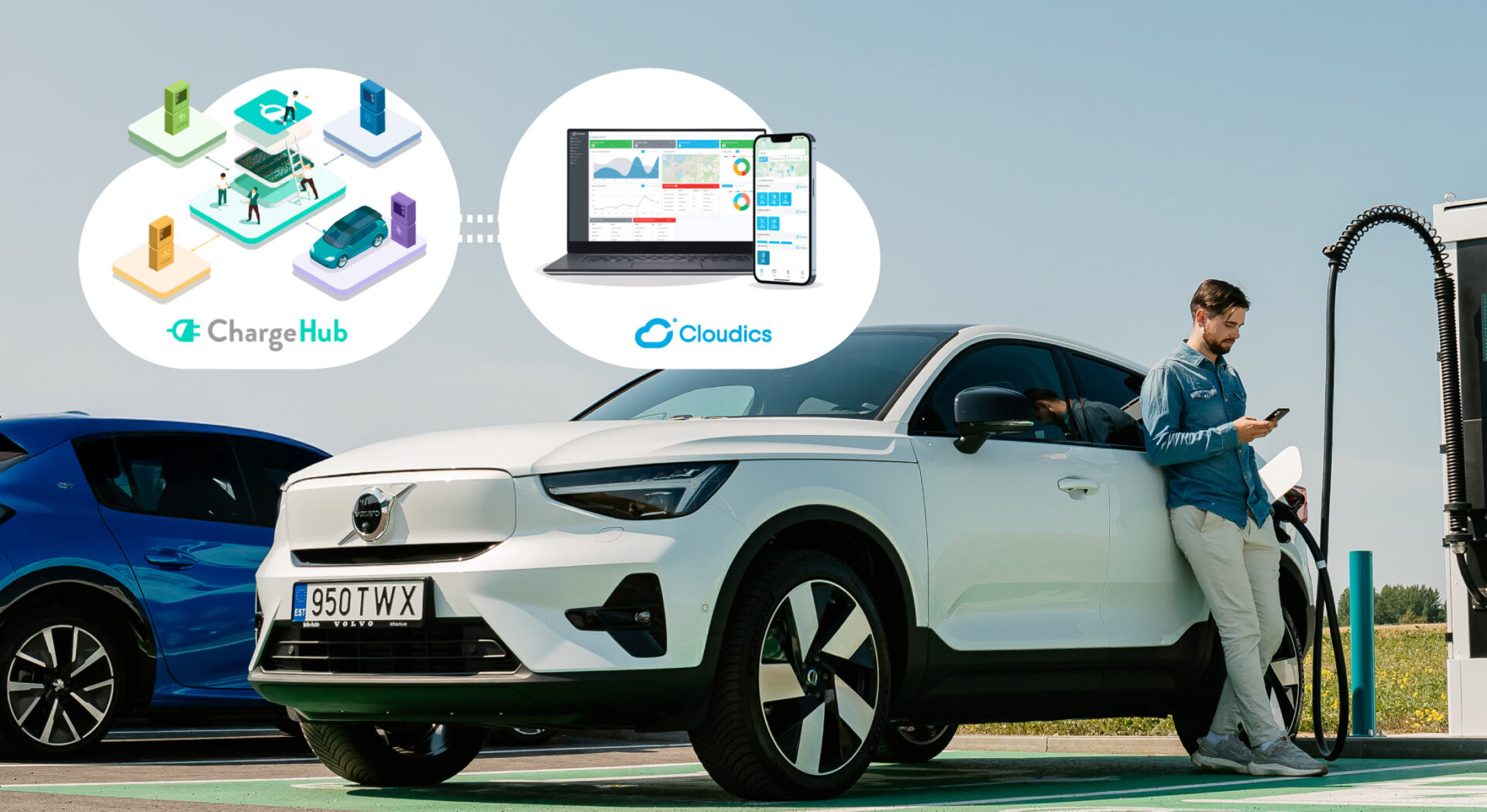
Cloudics is thrilled to announce a collaboration between ChargeHub, the leading EV roaming hub in North America, and Rezzo, a white-labelled platform powered by Cloudics technology serving Canada and North America.
Through this collaboration, all Rezzo EV chargers are now integrated into ChargeHub’s Passport roaming hub, enhancing accessibility and encouraging greater use of Rezzo charging stations.
This partnership also opens up the Rezzo charging network to e-mobility service providers (eMSPs), expanding their range of available charging options.
Rezzo’s charging network is now fully integrated with ChargeHub’s roaming platform, which includes more than 120,000 charging stations across the region.
ChargeHub’s extensive network, with over 150 roaming connections, covers over two-thirds of CCS and J1772/Type 1 chargers in the U.S. and Canada, which means the chargers are now accessible to over one million ChargeHub users and countless eMSPs.
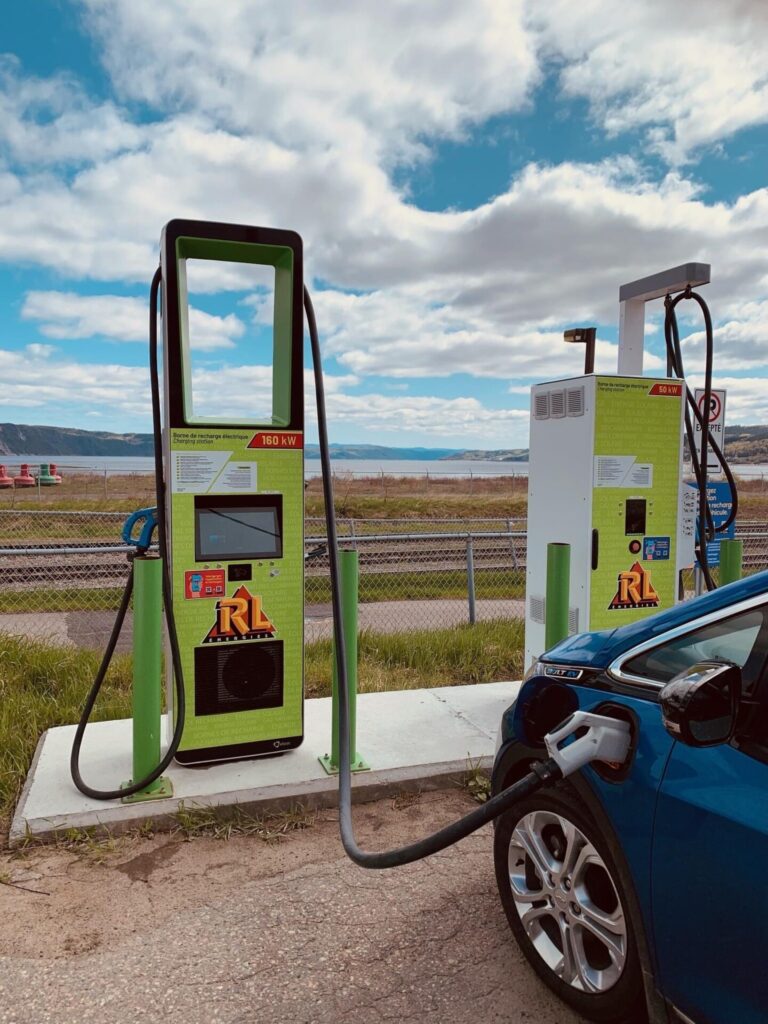
“Partnering with ChargeHub has enabled us to enhance accessibility for millions of EV drivers while supporting charge point operators (CPOs) with greater visibility, simplified payment process and increased operational efficiency,” says Triin Tobi, Head of EV Charging at Cloudics.
Offering charging possibilities in all regions through one payment platform makes driving an EV a seamless and enjoyable experience.
The integration eliminates the need for EV drivers to manage multiple apps.
Chargers on the Rezzo network can now be accessed, and sessions can be paid for using familiar processes available through the ChargeHub native app or eMSP partner applications, streamlining the charging experience.
ChargeHub, North America’s leading EV roaming hub, continues to set the benchmark for coverage and reliability.
“We’re thrilled to offer enhanced visibility to all CPOs utilizing the Rezzo platform,” said Keven Fortin-Simard, Managing Director of Rezzo. “This partnership not only improves charger utilization but also opens new revenue streams for operators, ultimately benefiting drivers and the entire e-mobility sector.”
By combining the strengths of ChargeHub’s extensive network and Rezzo’s innovative platform, the partnership paves the way for a more connected, efficient, and user-centric EV charging experience.
Keven added, “We’re excited to take energy stations to the next level, integrating new possibilities that will shape a brighter future for EV charging.”
Cloudics is committed to transforming energy station operations, increasing retailers’ profitability, and making payments as convenient as possible for customers worldwide. Launched in 2021 as a white-label platform powered by Cloudics, Rezzo brings innovative cloud-based solutions to energy stations across Canada. In a remarkably short time, Rezzo has gained traction in the market, earning the trust of Canadian retailers.
Learn more about Cloudics EV platform here or set up a demo here.
Cloudics
Future of Energy Stations

Each week brings a fresh perspective on where our industry is heading. The predictions are endless, from the game-changing potential of solid-state batteries to the emergence of new fuels that could replace petrol and the role of HVO as a temporary fix. But when we speak with retailers, the message is consistent: ”We need to figure out how to serve everyone.”
Last-mile delivery is now moving to alternative fuels, trucks are going electric, and your standard everyday EV customer is calculating their kilometres to understand where they can go without running out of juice.
So, they are looking for a reason to visit you – let’s give them one.
Access to home charging or installing a personal charger is a luxury not available to everyone. Moreover, purchasing a brand-new car remains out of reach for many. Fast charging will be essential, and the few chargers available in supermarket parking lots won’t be enough.
At Cloudics, we believe that the future of energy stations lies in providing dedicated areas equipped with high-speed chargers, comfortable convenience zones, and additional parking spaces, all thoughtfully positioned alongside traditional refuelling stations to meet diverse customer needs and encourage engagement with other profit areas.
On its own, EV charging often results in losses. However, when you link it with a range of other services, you create profit opportunities. You might think you’ve already experimented with this by offering food and beverages, only to find drivers in their cars, glued to Netflix.
The problem isn’t the idea—it’s the execution.
When using a third-party charger managed by an external CPO app, it probably wasn’t fully integrated into your business. Chargers could be located inconveniently far from your store, or the overall customer journey might not provide enough reasons for them to engage with your additional value-added services.
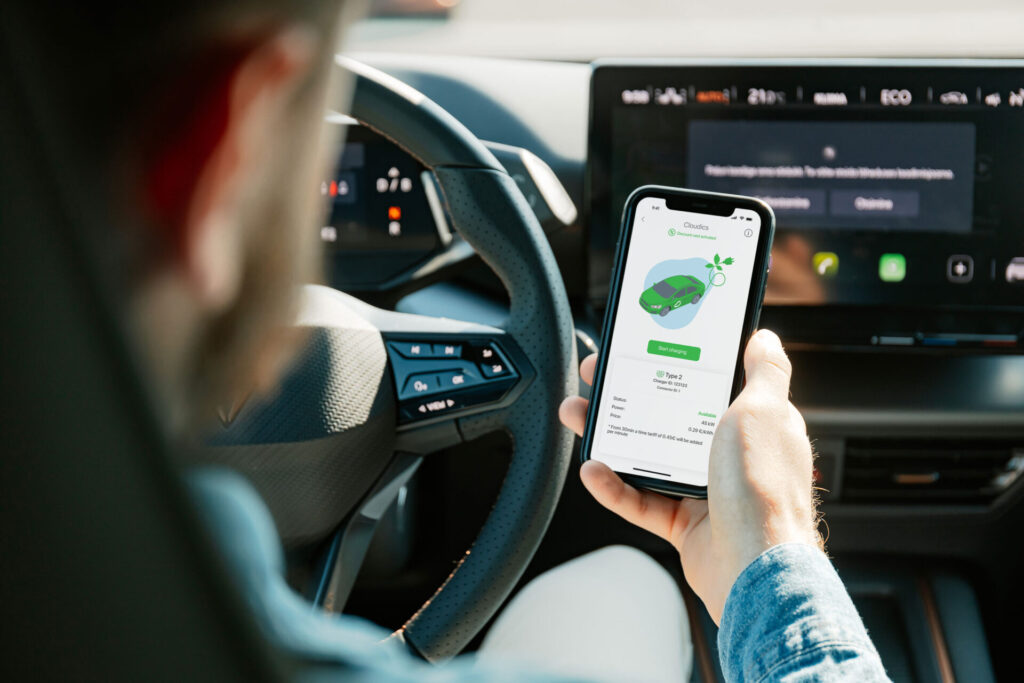
To deliver a nearly perfect experience, retailers must provide multiple payment methods aligning with various customer journeys and preferences.
The challenge? Each customer has a unique journey. The key to driving profitability is connecting services on a single platform, enabling control over the customer experience. This is why a connected retail infrastructure is essential—one that offers flexible payment options and allows customers to switch seamlessly between them.
Picture a customer approaching an EV charging hub or highway energy station. Maybe they’re seeking a drive-in experience, complete with an app-ordered meal. Or perhaps they’re just looking for a quick charge and need an easy credit card payment via the eOPT.
For those in a hurry, the option to skip the line at a self-service checkout or grab a quick coffee, whether through a subscription or as a loyalty reward, can make all the difference.
The focus isn’t on technology but on meeting the needs of every customer journey with the highest level of service. At its core, these are just the tools that enable us to gain deep insights into customer preferences and behaviours.
The question is how to ensure operations are open and adaptive enough to serve everyone effectively?
The Cloudics platform is designed with the entire retail experience in mind, covering everything from multi-fuel energy stations to shopping, unlocking a world of possibilities.
Today, you can integrate a wide range of services, transforming your energy station into a convenient hub for your community.
These services include everything from mobile-based trailer rentals and smart locker gas-bottle exchanges to food ordering and subscriptions.
With Cloudics, you can deliver frictionless shopping, convert non-IoT devices into mobile-enabled assets, automate on-site accommodation for long-distance drivers, and much more.
Regarding any questions, contact us:
info@cloudics.com
+372 628 0000
Cloudics
Future of Cloud-based Solutions
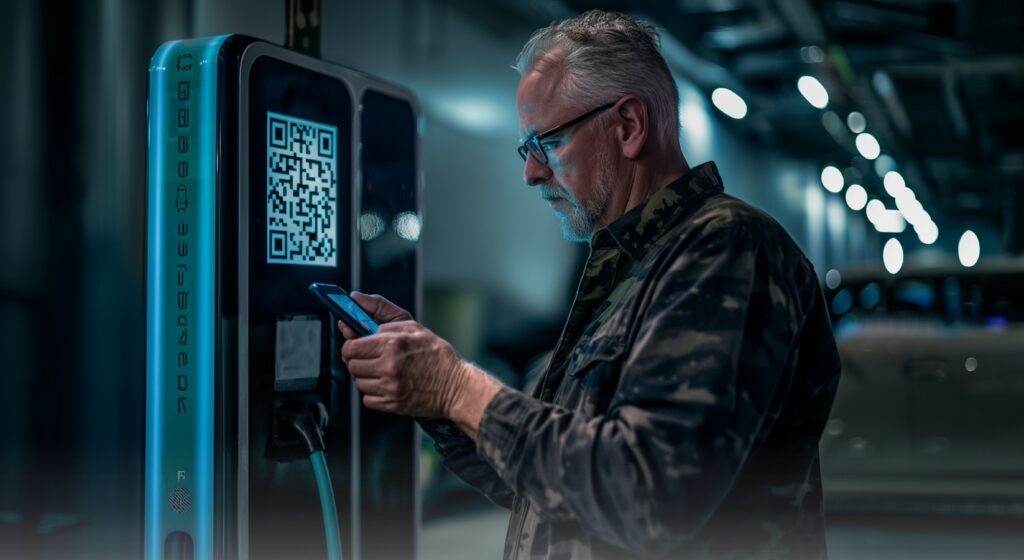
QR codes are fiddly, need the right light, and can be damaged easily. QR payments on pumps or chargers seem like a good thing until someone gets bored while fuelling or charging and thinks it is funny to peel them off.
Loe rohkem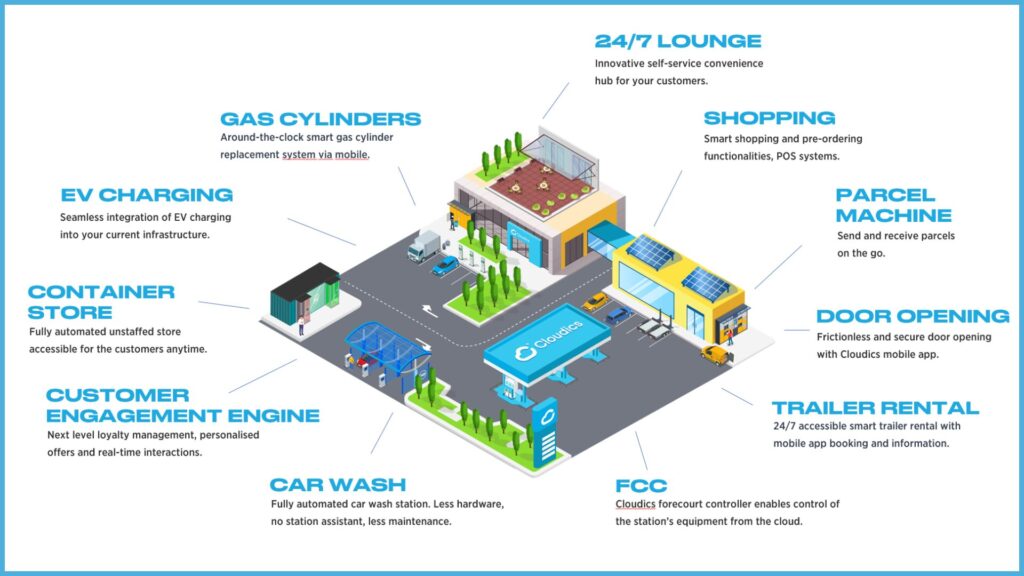
While big energy retailers can afford to trial and error new innovations and shifts to business operations, small and medium retailers struggle to make ends meet with changing fuel margin dynamics in an ever-changing world. Cloudics aims to resolve those challenges without investing in new on-site technology.
The Cloudics platform enables retailers to turn out-of-date fuel stations into holistic energy hubs at a pace of their choosing.
By integrating operations across self-service convenience, EV charging, fuelling, and car wash services into a central cloud-based platform, retailers can select how they wish to adapt their business to changing demands.
Thanks to Cloudics, we can convert legacy equipment into cloud-driven IoT devices. This means your customer reach and upsell options grow exponentially, but it also prolongs the lifespan of legacy equipment.
At Uniti Expo 2024 in Hall 5, Booth D61, we are excited to demonstrate how our software and hardware solutions contribute to a connected energy station ecosystem.

A lot has been said about frictionless technologies for hopping, and whilst retailers are looking at ways to simplify this business and relieve staffing issues, we are all aware of the news around just-walkout technologies and their failures.
Cloudics shopping is going back to the root of the problem to help enable unmanned operations or 24/7 operations during off-peak hours.
Our frictionless entry/exit solution is already in use today, but rather than using the expense and unproven AI technologies to track sales, we leverage self-checkout or mobile scan and pay.
In addition, with our new radar-based security, we can track customer behaviour in-store and warn retailers to check camera systems for spurious behaviour.
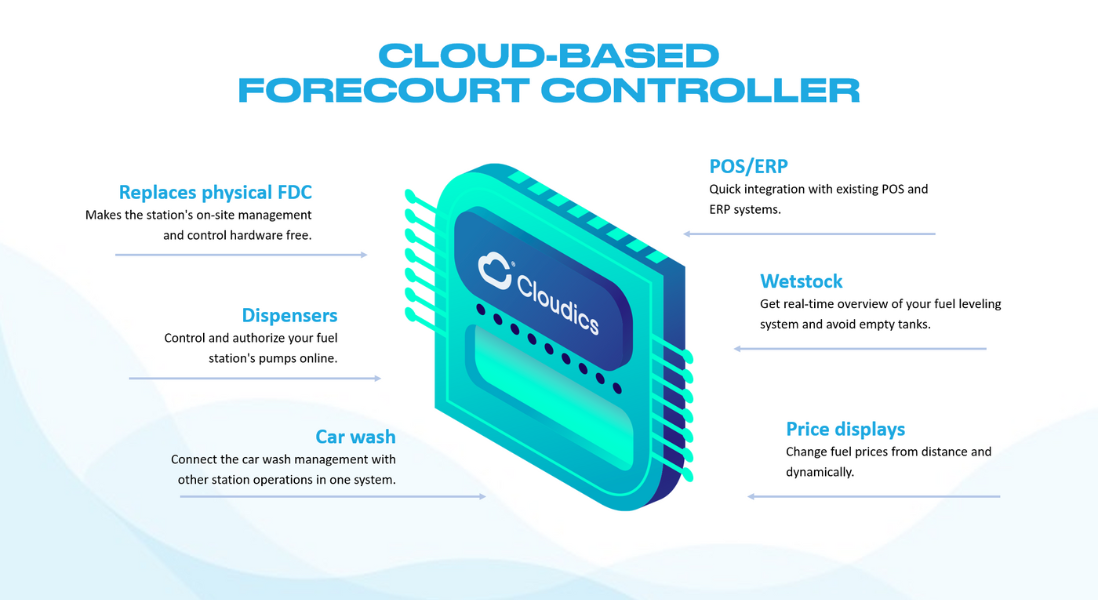
Our innovative cloud-based forecourt controller already empowers fuel retailers to effortlessly connect station equipment and devices to the cloud.
It has been in use for over five years and is still going strong. With the constant addition of new dispensers, our solution is ready to go for markets worldwide, and we are now entering new markets in Asia.
With Cloudics FCC, all the forecourt equipment (dispensers, wetstock, price displays, car wash—all become IoT devices) can be managed from the cloud, enabling instant access to control and manage all your station devices remotely without being on-site.
Cloud-based Forecourt Controller reduces operational costs by a huge margin, centralising control and management of the forecourt in a way that cannot be achieved with a physical device. It also simplifies fuel bunkering, keeping a real-time view of B2B tanks and containers at non-public locations.
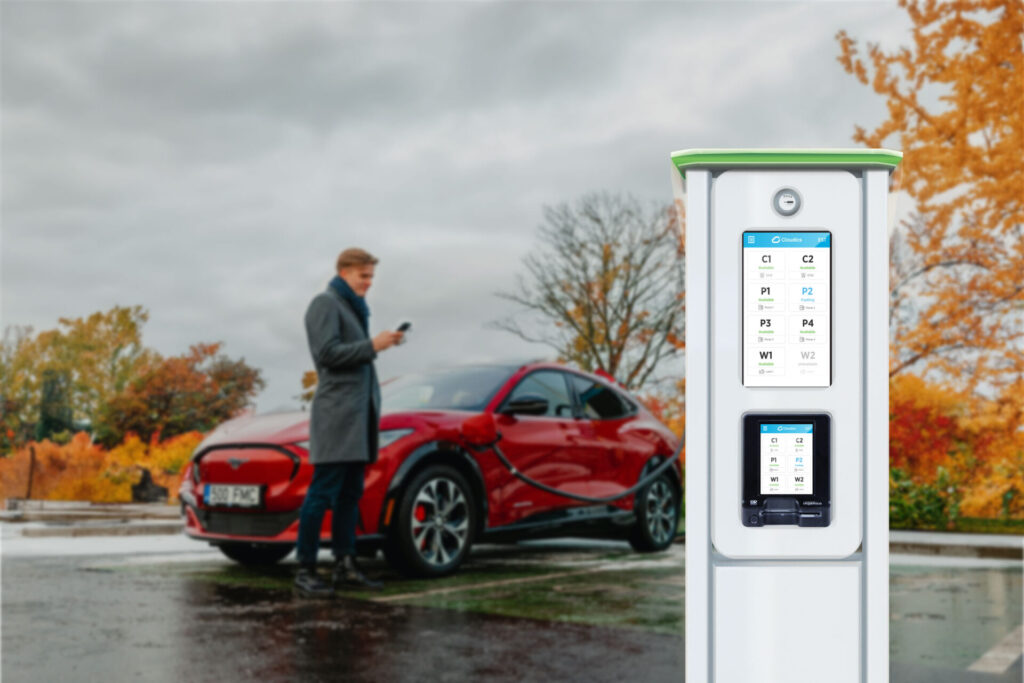
In response to the growing demand for electric vehicle (EV) infrastructure, we proudly present our newly developed eOPT specifically for EV charging.
It has been integrated with our all-in-one mobile payment app and a versatile Charging Station Management System (CSMS) supporting over 30 charger manufacturers.
Cloudics platform for EV charging is a low-cost way to quickly fulfil payment regulations for the EU and bring additional services to the OPT, such as car washes, parking, vacuum cleaners, vending machines and more.
Read more about Cloudics for EV charging here.
Whilst many retailers have invested in an app over the past decade, it is now becoming increasingly clear that just like a POS solution, customer apps require investment and planning.
The Cloudics app consolidates all aspects of the energy retail experience, from EV charging and frictionless entry to fueling, subscription-based services, shopping, food, engaging gamification features, and so much more.
Come talk to us about how you can use the app to surprise and delight your customers, driving increased revenue and converting fuel-only customers to loyal shoppers.
Cloudics stands at the forefront, driving innovation as the energy landscape shifts. Our focus is ensuring retailers are ready for the next generation of fuel and convenience retail, no matter which direction the industry goes.
At Uniti Expo 2024, we will be unveiling current and latest innovations, with the goal of transforming fuel stations into comprehensive energy hubs, without the huge expense of equipment upgrades.
Our journey spans over 26 years, during which we have achieved significant milestones, including deploying our platform and solutions across multiple regions such as Canada, the Baltics, the EU, and Georgia.
With over 550 stations operating on our platform and more than 200,000 users worldwide, our global footprint is a testament to our expertise and the trust placed in us by our partners.
We invite you to experience the future of fuel retail firsthand at Uniti Expo 2024, Hall 5, Booth D61.
Let’s embark on this journey towards a more efficient, sustainable, and consumer-friendly energy landscape.
Regarding any questions, contact us:
info@cloudics.com
+372 628 0000
Cloudics
Future of Energy Stations

As electric vehicles (EVs) continue to grow in popularity, understanding the nuances of EV charging technologies becomes crucial. Two terms often heard in the EV charging conversation are Autocharge and Plug & Charge. While they might seem similar at first glance, they are different technologies with unique features and benefits. Let’s demystify these terms.
Loe rohkem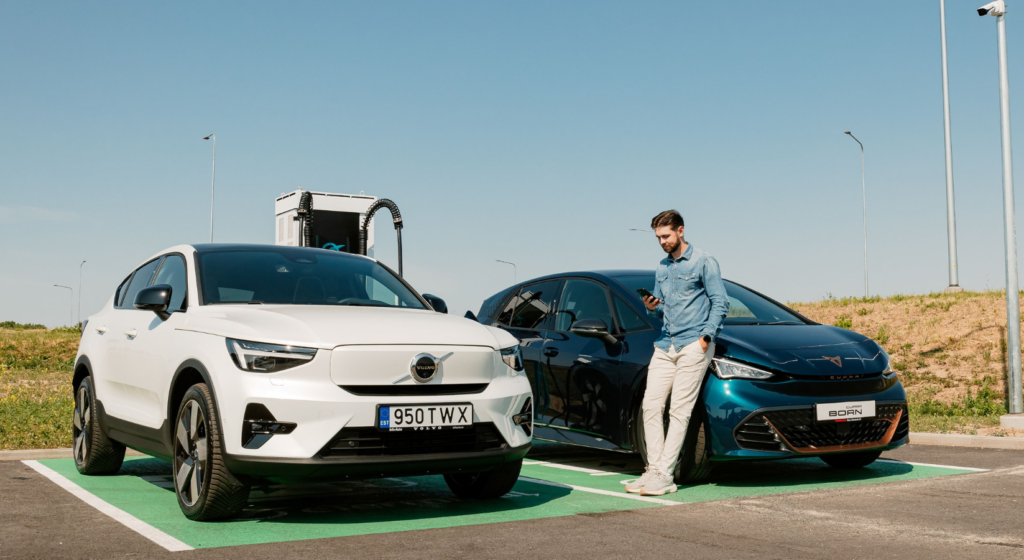
Cloudics management and payment platform for EV charging and energy stations has been successfully integrated with the Eco Movement data platform for a more convenient charging experience.
Loe rohkemTransform any physical or digital touchpoint into an instant conversion driver.
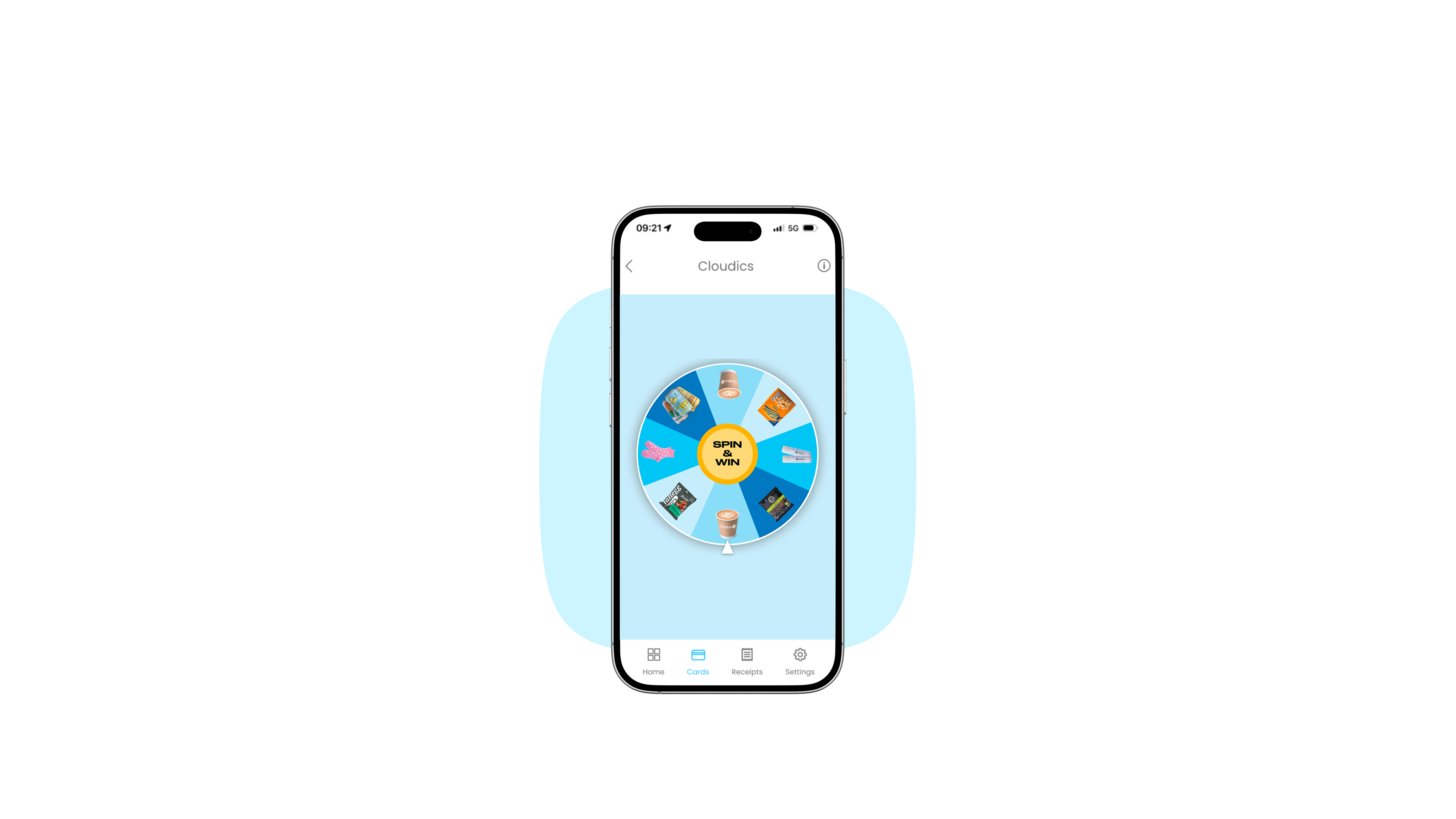
Gamification can be used in mobile app, in-store POS, SCO, and many more.