
A flower wholesaler cannot wait an extra day for delivery. The product loses freshness, the customer loses value and the sale may be lost entirely. A car manufacturer using just-in-time production cannot simply wait for missing parts. If the delivery window is missed, production slows down or stops.
What looks like one delayed truck quickly becomes a much larger operational problem.Recent years have made this clear.
Brexit created border friction and delays. The Ever Given blockage in the Suez Canal disrupted shipping worldwide. COVID-19 caused labour shortages, capacity shocks, empty shelves and rising costs.
The lesson is simple: when logistics flow stops, the impact spreads fast. Electric heavy goods vehicles are now becoming part of this same conversation.
The shift is being driven by both regulation and OEM investment. In Europe, heavy-duty vehicle CO₂ targets are moving from a 15% reduction in 2025 to 45% in 2030, 65% in 2035 and 90% in 2040.
Major manufacturers such as Volvo Trucks, Daimler Truck, Scania, MAN, DAF and Renault Trucks are already building the next generation of electric truck fleets. This is good progress.
But the vehicle is only one part of the system.
Consumer EV charging already shows what can go wrong. Availability in apps is not always accurate. Chargers can be occupied, blocked, faulty or slower than expected. Different operators use different systems, and the experience depends heavily on who owns and manages the charger.
For passenger cars, that creates inconvenience.
For heavy goods vehicles, it can create supply chain failure. A truck that cannot get enough power cannot move. A truck that cannot move misses its slot.
A missed slot can affect the next route, the next warehouse, the next driver shift and the next customer promise. No power means no movement. No movement means a broken supply chain flow.
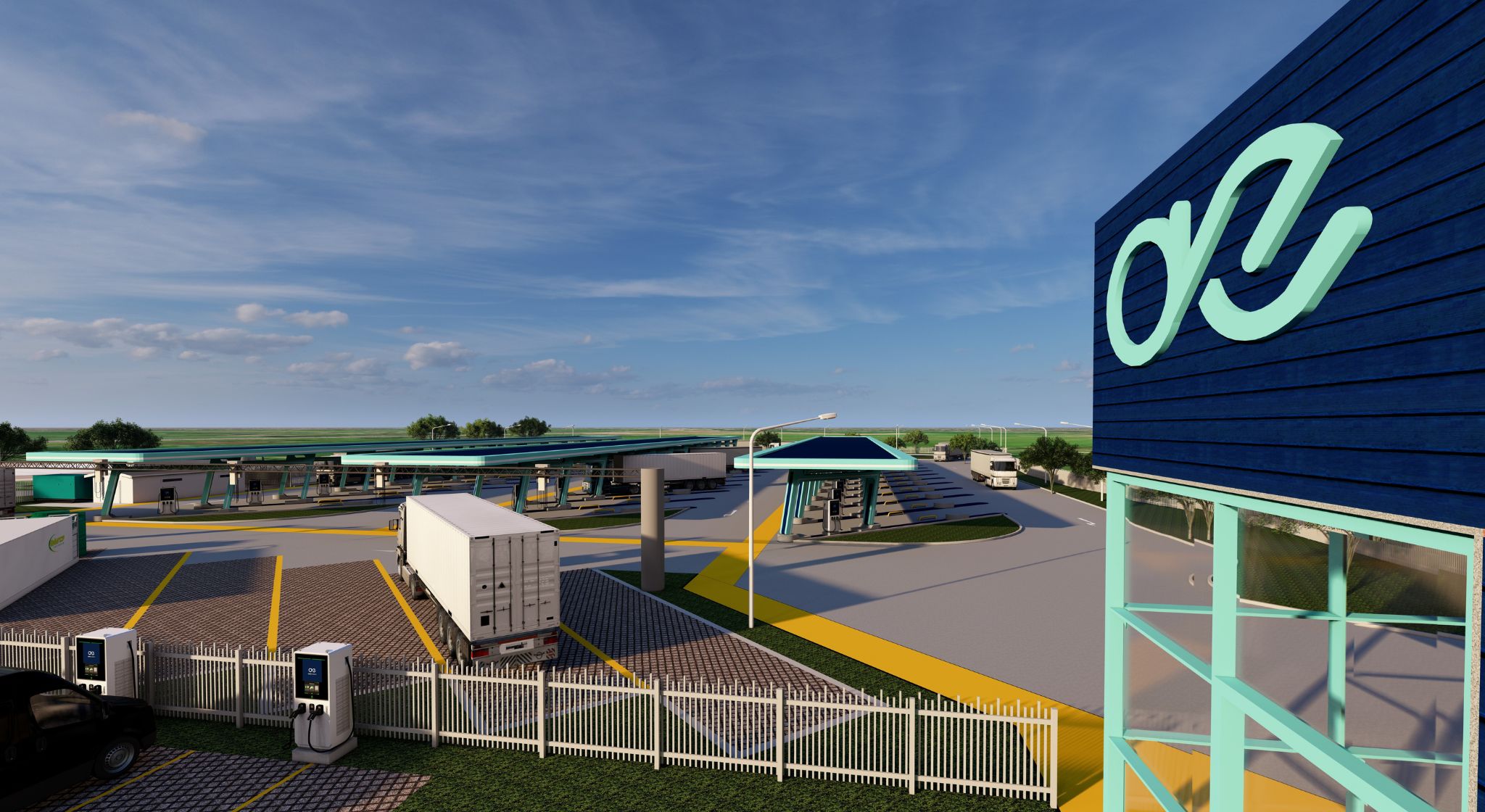
It must be planned as part of logistics operations.
The issue is not only where chargers are placed. It is also how power is allocated. Many sites do not have enough grid capacity for several high-power truck chargers. Upgrades can require new cabling, substation work, permits and long construction timelines. In some cases, the charger itself can be installed faster than the power connection behind it.
That changes the role of charging management.
In the diesel world, refuelling is usually fast and predictable. In the EV HGV world, charging must be scheduled, prioritised and monitored. Operators need to know which vehicle charges when, how much power it receives and whether it will be ready for the next movement.
The charging location becomes part of the supply chain.
Cloudics helps businesses manage this complexity by integrating parking, EV charging, payments, and operational control into a single platform. The goal is not to add another system to manage. The goal is to make the business easier to run.
As electric truck adoption grows, reliable charging will become a competitive advantage. Companies that can guarantee power can also better guarantee deliveries.
And in logistics, that is what matters most.
For more information, contact:
info@cloudics.com
+372 628 0000
Cloudics
Here to Streamline Your Business
cloudics.com